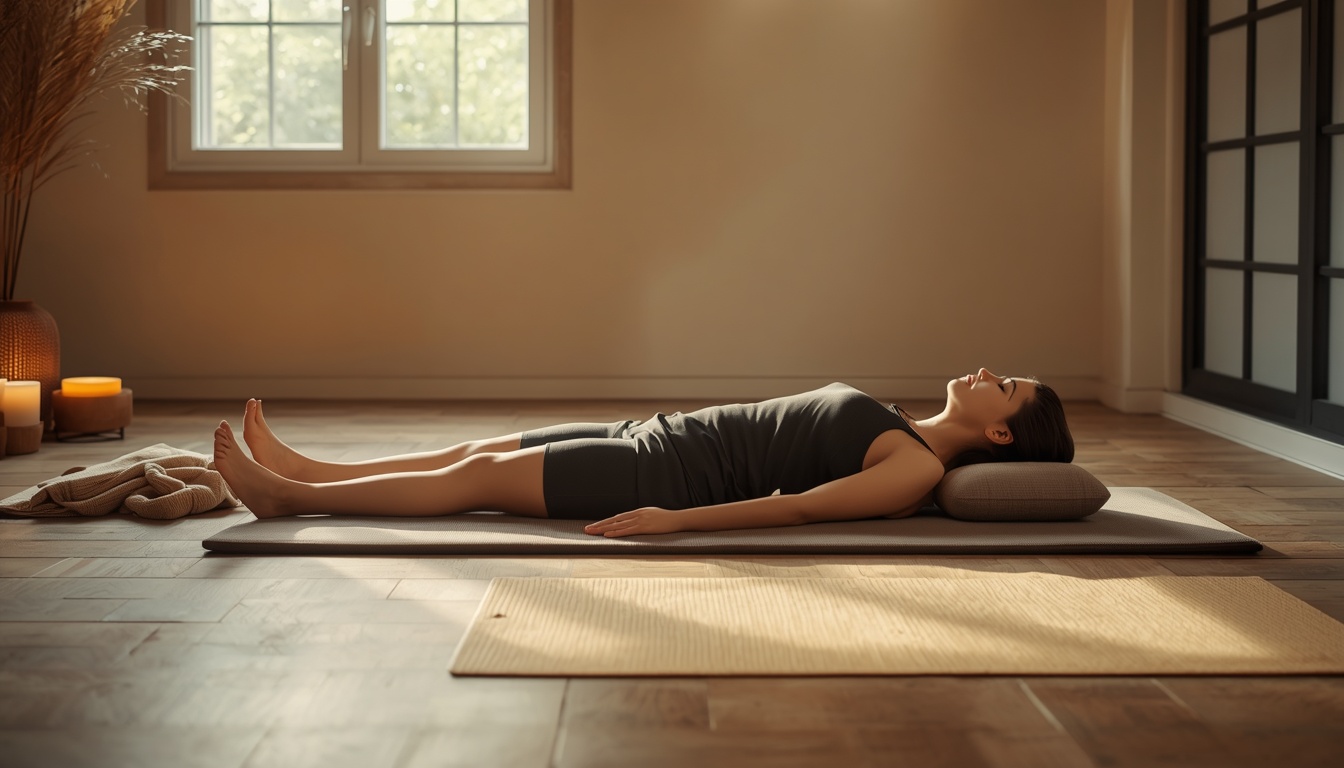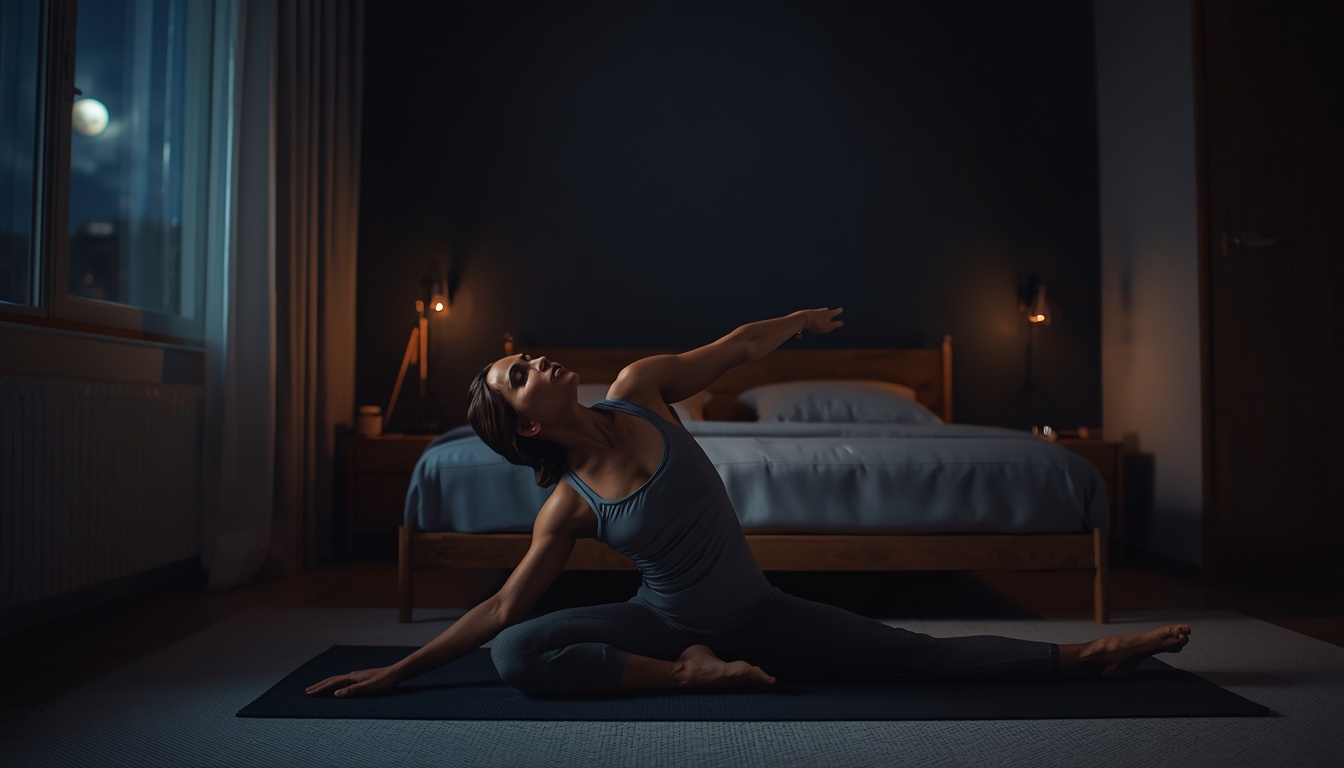
Lying-down meditation has become increasingly popular among people looking for a more comfortable and calming way to practice mindfulness, breathwork, relaxation, and deep meditation. Whether you want to create a peaceful corner in your bedroom or design a dedicated meditation space in a wellness shop or studio, the right setup plays an important role in comfort, focus, and safety.
A properly arranged meditation environment helps reduce distractions, supports better breathing and posture, and creates a sense of calm that encourages consistency in your practice. This blog explains how to set up your bedroom or shop for safe lying-down meditation.
Why Environment Matters in Lying-Down Meditation
Unlike seated meditation, it places the entire body in a relaxed position. This can help reduce physical strain, support deep breathing, ease muscle tension, improve focus, and encourage nervous system relaxation.
However, without the proper setup, people may experience discomfort, poor posture, interrupted breathing, or even fall asleep unintentionally. Creating a safe and supportive environment helps maintain awareness while still allowing the body to relax fully.
Choose a Quiet and Low-Distraction Area
The first step is selecting the right location. Whether it is a bedroom, wellness shop, yoga studio, or personal meditation room, the area should feel peaceful and uncluttered. Look for a space that:
- has minimal foot traffic,
- stays relatively quiet,
- receives fresh airflow,
- and feels emotionally calming.
In a bedroom, try using a corner away from televisions, desks, or busy storage areas. In a meditation shop or wellness studio, separate lying-down meditation zones from loud waiting areas or retail sections.
Use Proper Flooring or Support Surfaces
Comfort and body support are essential for safe lying-down meditation. Hard floors can create pressure points, while overly soft beds may reduce posture support and cause drowsiness. Good options include:
- yoga mats,
- meditation mats,
- padded floor cushions,
- tatami mats,
- or firm mattresses.
If you run a meditation or wellness shop, choose easy-to-clean materials with enough cushioning for longer sessions. For additional support:
- place a small pillow under the knees to reduce lower back tension,
- use a thin neck pillow for spinal alignment,
- and provide light blankets for warmth.
The goal is to help the body relax without collapsing into poor posture.
Maintain Proper Airflow and Ventilation
Fresh air plays a major role in meditation comfort. A poorly ventilated room may feel heavy, warm, or uncomfortable during extended sessions. Open windows when possible or use gentle air circulation through:
- ceiling fans,
- air purifiers,
- or quiet ventilation systems.
Avoid placing meditation spaces directly under strong air conditioning vents or fans blowing heavily onto the body. Balanced airflow helps support calm breathing and prevents overheating during meditation practice.
Focus on Safe Lighting
Lighting strongly influences mood and relaxation levels. Bright overhead lights may feel harsh during lying-down meditation, while overly dark rooms can increase sleepiness. The best meditation lighting is soft, warm, indirect, and adjustable.
Consider using warm LED lamps, salt lamps, dimmable lights, or natural daylight. In wellness shops or meditation studios, layered lighting creates a more welcoming atmosphere while helping visitors feel safe and relaxed. Candles can also create a peaceful mood, but always use them carefully and never leave open flames unattended during meditation sessions.
Reduce Noise and Sound Interruptions
External sounds can disrupt relaxation and concentration. While complete silence is not always possible, reducing sudden noise improves the meditation experience. Helpful solutions include:
- rugs and curtains for sound absorption,
- soft background music,
- white noise machines,
- or nature sounds.
For meditation businesses, soundproofing walls or using calming ambient audio can improve client comfort significantly. Avoid loud televisions, ringing devices, or harsh electronic sounds near the meditation area.
Keep the Space Clean and Organized
A cluttered environment can create mental distraction and discomfort. Simple and organized spaces often feel calmer and more inviting. Keep meditation areas clean, dust-free, well-organized, and free from unnecessary items. In bedrooms, avoid piling laundry, work equipment, or storage boxes near the meditation setup.
In shops or wellness spaces, maintain sanitized mats, fresh linens, and clean flooring to support both comfort and hygiene. A neat environment helps create a stronger sense of peace and focus.
Use Comfortable and Breathable Materials
Fabric choices matter more than many people realize. During lying-down meditation, uncomfortable textures or overheating can interrupt relaxation. Choose:
- breathable cotton,
- soft blankets,
- natural fabrics,
- and washable covers.
Avoid heavy synthetic materials that trap heat or create discomfort during longer sessions. If you own a meditation shop or wellness studio, offering clean and comfortable materials improves the overall customer experience and encourages repeat visits.
Create a Technology-Free Zone
Phones, notifications, and screens can interrupt meditation and reduce mental relaxation. Whenever possible:
- silence devices,
- turn off unnecessary electronics,
- and reduce screen exposure before meditation.
Many people use guided meditation audio, which is perfectly fine, but avoid multitasking or keeping distracting notifications active nearby. A technology-free meditation setup encourages deeper relaxation and mindfulness.
Prioritize Safety During Long Sessions
Safety should always come first, especially during extended meditation or breathwork sessions. Important safety tips include:
- avoid lying down meditation immediately after heavy meals,
- stay hydrated,
- use proper neck and back support,
- and avoid positions that restrict breathing.
People with medical conditions, breathing difficulties, chronic pain, or mobility concerns should consult a healthcare professional before starting advanced meditation or breathwork routines.
If operating a wellness shop or studio, clearly communicate safety guidelines and encourage participants to listen to their body’s limits.
Final Thoughts
Creating a safe lying-down meditation setup does not require an expensive renovation or a large space. Small adjustments in lighting, airflow, cleanliness, comfort, and organization can completely change how a meditation environment feels.
Whether you are designing a peaceful bedroom meditation corner or organizing a professional wellness shop, the goal is the same: creating a calm, supportive space where the body can relax and the mind can settle naturally.
A thoughtfully arranged meditation environment encourages consistency, improves comfort, and helps people enjoy a safer and more focused meditation experience over time.