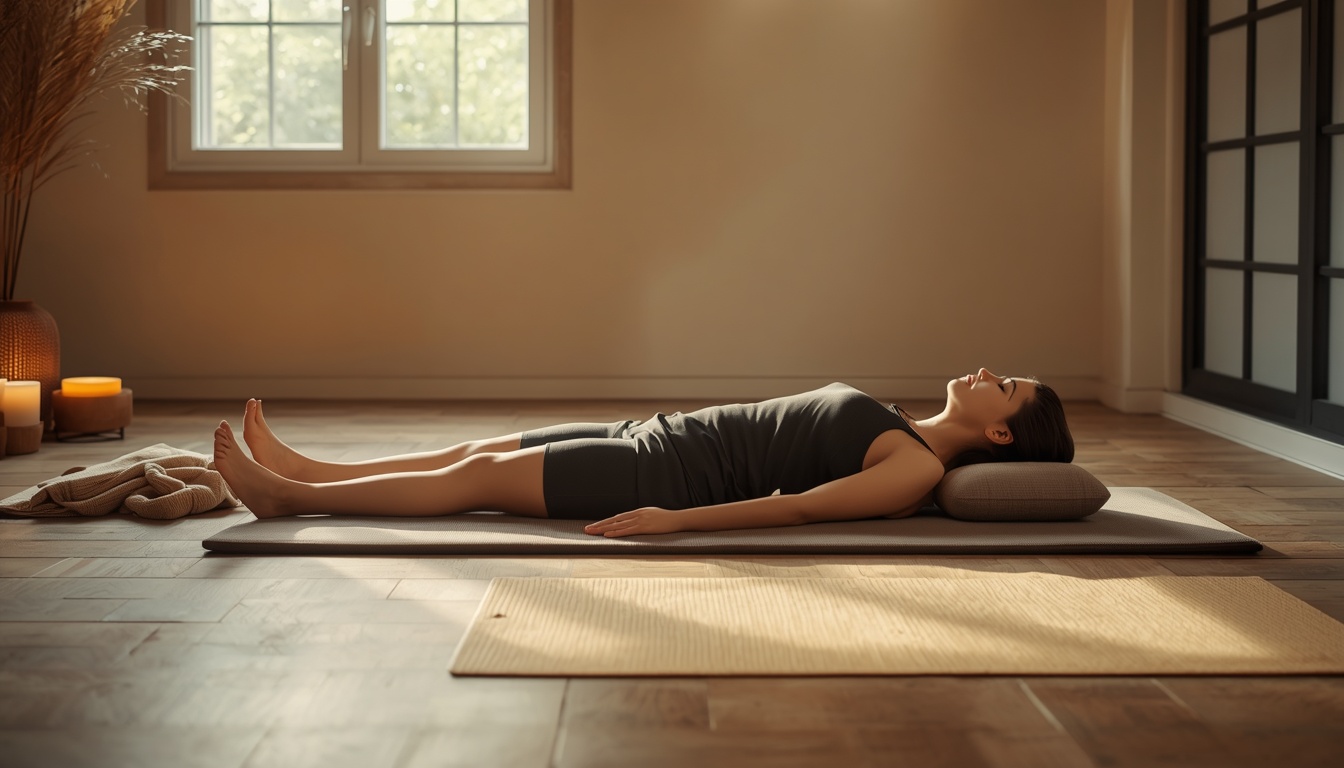
Meditation is often associated with sitting cross-legged on a cushion or maintaining an upright posture for long periods. However, for people dealing with back pain, knee injuries, ankle problems, mobility limitations, or chronic discomfort, traditional seated meditation can feel physically challenging or even impossible. The good news is that meditation is not limited to one position. Learning how to meditate lying down can provide comfort while still delivering many of the mental and emotional benefits associated with mindfulness practice.
For individuals recovering from injuries or managing ongoing pain, a lying-down meditation approach can reduce physical strain while making it easier to focus on relaxation and awareness. In this article, we will explore how to meditate lying down effectively, posture adjustments to support the body, common mistakes to avoid, and ways to maintain focus during practice.
Can You Meditate While Lying Down?
Yes. Meditation while lying down is a valid and widely used method practiced in many mindfulness and relaxation techniques. While sitting meditation can help maintain alertness, lying-down meditation is particularly beneficial for people with physical limitations, injury recovery, chronic pain, or fatigue.
Practices such as body scan meditation, Yoga Nidra, guided relaxation, and mindfulness exercises are commonly performed while lying down. The goal of meditation is not the posture itself. The goal is awareness, focus, and presence.
Benefits of Lying-Down Meditation
People experiencing physical discomfort often find lying-down meditation more accessible and sustainable. Some benefits include:
1. Reduced Pressure on Joints
Back, knee, and ankle injuries can make seated positions painful. Lying down minimizes stress on vulnerable areas and allows muscles to relax naturally.
2. Improved Physical Comfort
Discomfort can become a distraction during meditation. A supported lying position often allows people to concentrate on breathing and mindfulness instead of pain.
3. Supports Recovery and Healing
Stress can affect healing and recovery. Relaxation practices may help lower tension and create a calmer state of mind during rehabilitation.
4. Helps with Deep Relaxation
Many people find lying-down meditation useful for reducing stress, easing anxiety, and preparing the body for restful sleep.
Best Position for Meditating Lying Down
The way you position your body matters. Comfort should be balanced with enough awareness to avoid falling asleep immediately.
1. Lie Flat on Your Back
A neutral position often works best:
- Lie on a yoga mat, bed, or comfortable surface
- Keep your arms resting beside your body
- Allow palms to face upward if comfortable
- Relax your shoulders
- Keep your head aligned naturally
Avoid positions that create tension in the neck or lower back.
2. Use Support Pillows if Needed
People with injuries may benefit from modifications: For back discomfort:
- Place a pillow under your knees
For knee injuries:
- Support the knees with cushions
For ankle pain:
- Elevate ankles slightly using folded towels
For neck support:
- Use a thin pillow that maintains alignment
Small adjustments can significantly improve comfort.
Step-by-Step Guide to Meditating Lying Down
Step 1: Choose a Quiet Environment
Select a space with minimal distractions. Silence phones, reduce background noise, and create an environment where you feel safe and comfortable. Dim lighting may help create a calming atmosphere.
Step 2: Set a Time Limit
Beginners can start with:
- 5 minutes
- 10 minutes
- 15 minutes
Longer sessions can be added gradually. Using a gentle timer prevents clock-watching and allows you to stay present.
Step 3: Focus on Breathing
Close your eyes and observe your breathing naturally. Notice:
- Air entering your nose
- Expansion of your chest
- Movement in your abdomen
- Slow release during exhalation
Avoid forcing deeper breaths. Simply observe. Breathing awareness helps anchor attention and calm mental activity.
Step 4: Scan the Body
Begin mentally moving attention throughout the body. Notice sensations without judgment:
- Forehead
- Jaw
- Shoulders
- Chest
- Abdomen
- Hips
- Knees
- Ankles
- Feet
Body scan meditation encourages relaxation and helps increase awareness of tension patterns.
Step 5: Observe Thoughts Without Chasing Them
Thoughts naturally appear during meditation. Instead of resisting them:
- Notice them
- Acknowledge them
- Gently return attention to breathing
Meditation does not require an empty mind. The practice is learning to return your attention repeatedly.
Common Challenges During Lying-Down Meditation
1. Falling Asleep
One of the most common concerns is drifting off to sleep. To remain more alert:
- Meditate earlier in the day
- Keep the room slightly cool
- Avoid practicing immediately after large meals
- Slightly elevate your head
- Maintain intentional breathing awareness
If sleep happens occasionally, do not become frustrated. It is common.
2. Restlessness
Some people become more aware of discomfort once they stop moving. If this happens:
- Adjust your position slowly
- Use additional support
- Shorten sessions initially
Consistency usually improves comfort over time.
3. Wandering Thoughts
Mental distraction is normal. Rather than forcing concentration, gently return focus to:
- Breathing
- Bodily sensations
- Guided meditation instructions
Meditation improves through repetition.
Who Can Benefit from Lying-Down Meditation?
This approach may be especially helpful for:
- People recovering from surgery
- Individuals with chronic back pain
- Knee injury recovery patients
- Ankle injury sufferers
- Seniors with mobility challenges
- Individuals with fatigue conditions
- Beginners uncomfortable with seated meditation
Meditation should adapt to the person—not the other way around.
Conclusion
Meditation does not require perfect posture or physical flexibility. For individuals dealing with back, knee, or ankle injuries, lying-down meditation offers a practical way to experience mindfulness without unnecessary discomfort. By creating a supportive environment, using proper positioning, and focusing on breathing and awareness, meditation can become more accessible and sustainable.
For readers interested in personal stories surrounding spiritual experiences, inner awareness, and transformative journeys related to meditation and energy practices, A Kundalini Experience: Guru by Mistake by The Criminal Monk offers a deeply personal perspective. The book explores themes of awakening, meditation experiences, and self-discovery through a firsthand narrative that may resonate with readers interested in broader conversations around consciousness and personal growth.