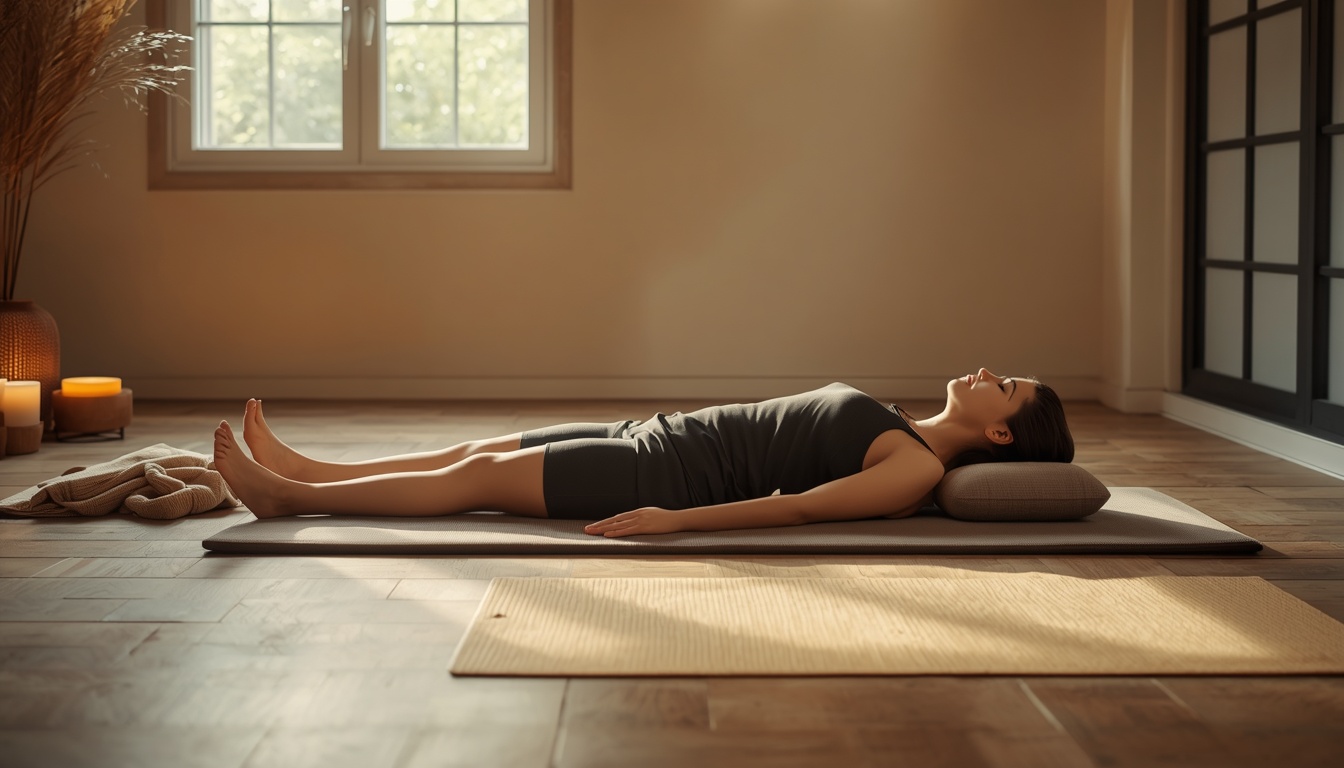
Restless sleep, mental fatigue, and difficulty remembering dreams have become common concerns for many people seeking better nighttime wellness. As wellness practices continue to evolve, ancient movement systems are making a powerful comeback — especially nighttime routines that combine breath, movement, and mindfulness. One practice gaining attention is the 5 Rites Tibetan Yoga sequence, often referred to as the “Five Tibetan Rites.”
Many practitioners believe these exercises can improve flexibility, circulation, mental clarity, and energy flow. But an increasingly discussed benefit is their surprising effect on dreams. People who perform them before bed often report more vivid dreams, improved dream recall, deeper sleep, heightened self-awareness, and even lucid dreaming experiences.
So why does practicing these physical exercises at night seem to amplify dreams? Let’s explore the science, psychology, and spiritual theories behind this fascinating connection.
What Are the 5 Rites?
These are a sequence of simple physical movements believed to originate from Tibetan traditions. These exercises are designed to stimulate energy, improve flexibility, support circulation, enhance breathing, and activate mind-body awareness. The five movements typically include:
- Spinning
- Leg raises
- Back arching
- Tabletop movement
- Upward and downward flowing poses
While the exercises are relatively simple, they engage the entire body and encourage synchronized breathing. Many people perform them in the morning for energy, but nighttime practice is beneficial for sleep quality and dream enhancement.
Why Nighttime Practice Affects Dreams
The body and mind behave differently at night than during the day. Evening movement routines influence the nervous system, brain activity, and subconscious processing in unique ways. Here are several reasons that may intensify dreaming when practiced before sleep:
1. The Exercises Increase Mind-Body Awareness
One major reason dreams become more vivid after nighttime movement is heightened awareness. The 5 Rites require concentration, rhythmic breathing, balance, posture control, and present-moment focus.
When people perform mindful movement before sleep, they often carry that awareness into the dreaming state. This can improve dream recall, emotional clarity, and subconscious observation. In many cases, people simply become more conscious of their internal world.
2. Breathwork Activates the Nervous System
Breathing patterns strongly influence sleep and dreaming. The controlled breathing used during Tibetan Yoga may calm the sympathetic nervous system, reduce stress hormones, improve oxygen flow, and support relaxation.
This relaxed state helps the brain transition more smoothly into REM sleep — the sleep stage most associated with vivid dreams. When stress levels drop before bed, the mind becomes more receptive to emotional and symbolic dream activity.
3. Physical Movement Releases Mental Tension
Throughout the day, the body stores stress physically. Tight muscles, shallow breathing, and nervous tension can disrupt sleep cycles. The 5 Rites combine stretching and movement in a way that may release physical tension, reduce mental overstimulation, and quiet racing thoughts.
When the body relaxes deeply, the subconscious mind often becomes more active during sleep. This can lead to stronger dream imagery, emotional processing, and more immersive dream experiences.
4. Improved Circulation Supports Brain Activity
Another possible explanation involves circulation and oxygenation. The movements stimulate blood flow throughout the body, including the brain. Better circulation before sleep may support mental clarity, neurological recovery, and sleep quality.
Since dreams are closely connected to brain activity during REM sleep, improved physical relaxation and circulation may indirectly enhance dream intensity.
5. Repetition Creates a Psychological Trigger
Nighttime rituals train the brain through repetition. When someone practices the same calming routine before bed consistently, the brain begins associating that activity with sleep, introspection, and subconscious engagement.
Over time, this conditioning can make dreams feel more memorable, emotionally rich, and psychologically significant. This is similar to how meditation before bed often increases dream awareness.
Can the 5 Rites Help with Lucid Dreaming?
Some practitioners believe nighttime Tibetan Yoga supports lucid dreaming — the ability to become aware inside a dream. While scientific evidence is still limited, there are several reasons this idea continues to grow in popularity:
- increased self-awareness,
- stronger dream recall,
- heightened relaxation,
- and improved focus.
Lucid dreaming techniques often involve mindfulness practices during waking life. Because they encourage body awareness and conscious breathing, they may help strengthen the mental habits linked to lucid dreaming experiences.
Best Time to Practice Before Sleep
If your goal is deeper sleep and enhanced dreams, timing matters. Most wellness experts recommend practicing these:
- 30 to 90 minutes before bed,
- in a calm environment,
- with minimal screen exposure afterward.
Avoid treating the exercises like an intense workout. The goal is gentle activation and relaxation rather than physical exhaustion. Many people also combine the practice with:
- meditation,
- journaling,
- herbal tea,
- or soft music.
These habits further encourage dream awareness and emotional calmness.
Tips for Beginners
If you are new to the 5 Rites, start slowly.
Keep These Tips in Mind:
- Begin with a small number of repetitions
- Focus on breathing rather than speed
- Practice consistently
- Avoid overexertion before sleep
- Stay hydrated
- Create a peaceful nighttime atmosphere
People with medical conditions, balance concerns, or physical injuries should consult a healthcare professional before beginning any new exercise routine.
The Connection Between Movement and the Subconscious
Modern wellness trends increasingly recognize the connection between physical movement and mental health. Ancient practices like Tibetan Yoga emphasize that the body and mind are deeply connected. Nighttime movement routines may help bridge the gap between:
- conscious awareness,
- emotional release,
- and subconscious exploration.
Whether viewed spiritually, psychologically, or scientifically, many people report that evening movement practices create a stronger relationship with their dreams.
Final Thoughts
The growing interest in the 5 Rites before bed reflects a broader desire for deeper rest, mental clarity, and emotional connection. These simple Tibetan Yoga exercises may do more than improve flexibility or relaxation — they may help awaken the subconscious mind during sleep.
By combining mindful movement, breath control, and nighttime consistency, they can potentially support vivid dreaming, emotional processing, deeper sleep, and enhanced self-awareness.
For those seeking a more intentional nighttime routine, this ancient practice offers a fascinating blend of movement, mindfulness, and dream exploration.